
Start Solids Without Stress
3 min read
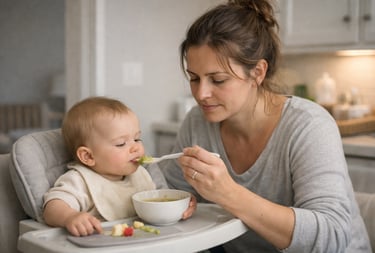
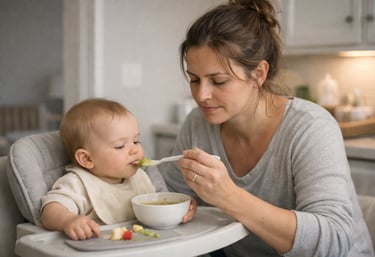
Introduction
Starting solid foods is one of those milestones that sounds exciting—until you’re actually standing in the kitchen wondering if you’re doing it “right.” Questions about timing, textures, choking risks, and picky eating can quickly turn what should be a joyful step into a source of stress.
The truth is, starting solids doesn’t have to be complicated. With a calm approach, realistic expectations, and a focus on your baby’s readiness, you can introduce food in a way that feels safe, manageable, and pressure-free.
When Is Your Baby Ready for Solids?
Most babies are ready to begin solids around six months, but readiness matters more than the calendar.
Signs your baby may be ready include:
Sitting with minimal support
Good head and neck control
Showing interest in food
Loss of the tongue-thrust reflex
Ability to bring objects to their mouth
If your baby isn’t showing these signs yet, it’s okay to wait. There’s no prize for starting early, and waiting a little longer can actually make the transition smoother.
Start Slow and Keep Expectations Low
One of the biggest sources of stress comes from expecting babies to eat “real meals” right away. In the beginning, solids are about exploration, not nutrition. Breast milk or formula remains the primary source of nourishment for the first year.
Think of early solids as:
Tasting
Touching
Smelling
Learning how food feels in the mouth
Some days your baby may eat a few spoonfuls. Other days, they may barely taste anything at all. Both are completely normal.
Choose Simple First Foods
You don’t need fancy recipes or elaborate meal plans to start solids successfully. Simple, single-ingredient foods are a great place to begin.
Popular first foods include:
Soft fruits like banana or avocado
Cooked vegetables such as sweet potato or carrot
Iron-fortified infant cereals
Pureed meats or legumes
Introducing one food at a time makes it easier to notice reactions and helps your baby focus on new tastes and textures.
Spoon-Feeding, Finger Foods, or Both?
Many parents feel pressure to choose between traditional spoon-feeding and baby-led weaning. The good news is that you don’t have to pick just one approach.
A flexible combination works well for many families:
Spoon-feed purees to introduce flavors and textures
Offer soft finger foods when your baby shows readiness
Let your baby explore at their own pace
What matters most is that feeding feels safe, positive, and responsive to your baby’s cues.
Focus on Safety Over Perfection
Fear of choking is a common concern when starting solids. Learning the difference between gagging and choking can help reduce anxiety.
Helpful safety tips include:
Always supervise meals
Ensure your baby is seated upright
Offer soft, age-appropriate foods
Avoid hard, round, or sticky foods early on
Gagging is a normal part of learning to eat and doesn’t mean your baby is choking. Staying calm helps your baby feel confident as they learn.
Create a Calm Mealtime Environment
Babies are sensitive to energy and emotions. When mealtime feels rushed or tense, babies may resist eating altogether.
To create a calmer experience:
Sit together without distractions
Turn off screens
Keep meals short and relaxed
Avoid pressure or praise focused on quantity eaten
Your baby learns more from watching you than from being coached. Eating together helps normalize mealtime and builds trust.
Let Your Baby Lead
Babies are naturally good at regulating their intake. Trusting your baby’s hunger and fullness cues helps prevent power struggles and supports healthy eating habits long-term.
Signs your baby may be full include:
Turning their head away
Closing their mouth
Pushing food away
Losing interest in eating
Stopping when your baby shows these cues reinforces that eating is safe and respectful, not forced.
Expect Mess—and Embrace It
Mess is part of the learning process. Food will end up on hands, faces, clothes, and the floor. While it can feel frustrating, messy eating supports sensory development and fine motor skills.
Using easy-to-clean mats, bibs, and clothing can help parents relax and focus on the experience rather than the cleanup.
Go at Your Own Pace
Every baby progresses differently. Some take to solids quickly, while others need more time. Comparing your baby to others can create unnecessary stress.
Progress looks like:
Gradual acceptance of new foods
Increased interest over time
Curiosity and exploration
There’s no deadline for mastering solids. Consistency and patience matter more than speed.
Remember: You’re Doing Better Than You Think
Starting solids is a learning process for both babies and parents. There will be days that feel smooth and days that feel messy or uncertain. That doesn’t mean you’re doing anything wrong.
By staying calm, responsive, and flexible, you’re setting the foundation for a healthy relationship with food. Starting solids without stress isn’t about doing everything perfectly—it’s about creating a positive experience that grows with your baby.
Take a breath. Trust your instincts. You’ve got this.
Related Reading from Mommy Sloth
If you’re navigating feeding, nutrition, and early eating milestones, these guides may also help:
Baby’s First Foods: A Mom’s Guide to Introducing Solids
A simple, reassuring breakdown of when and how to introduce first foods, with realistic expectations for babies just starting their feeding journey.Nutrition for Moms: Eating Healthy Without the Stress
Practical nutrition support for moms who want to eat well while balancing baby care, busy schedules, and everyday life.Baby Teething Survival Kit Every Mom Should Have
Gentle tips and must-know strategies to help soothe teething discomfort and understand how teething can impact feeding and mealtimes.
Real support from real parents.
Real answers. No ads. No judgment.
Just calm support from real parents.
Follow Mommy Sloth on Pinterest
Mommy Sloth shares lived parenting experience, not medical or clinical advice.
Always consult your pediatrician or licensed professional when you’re unsure.
© 2026. All rights reserved.